You Shared Something Real—So Why Does It Feel Cringey?
That sudden urge to delete is not always proof that you shared the wrong thing. Separate real risk from the shock of being seen with a calm three-part test.
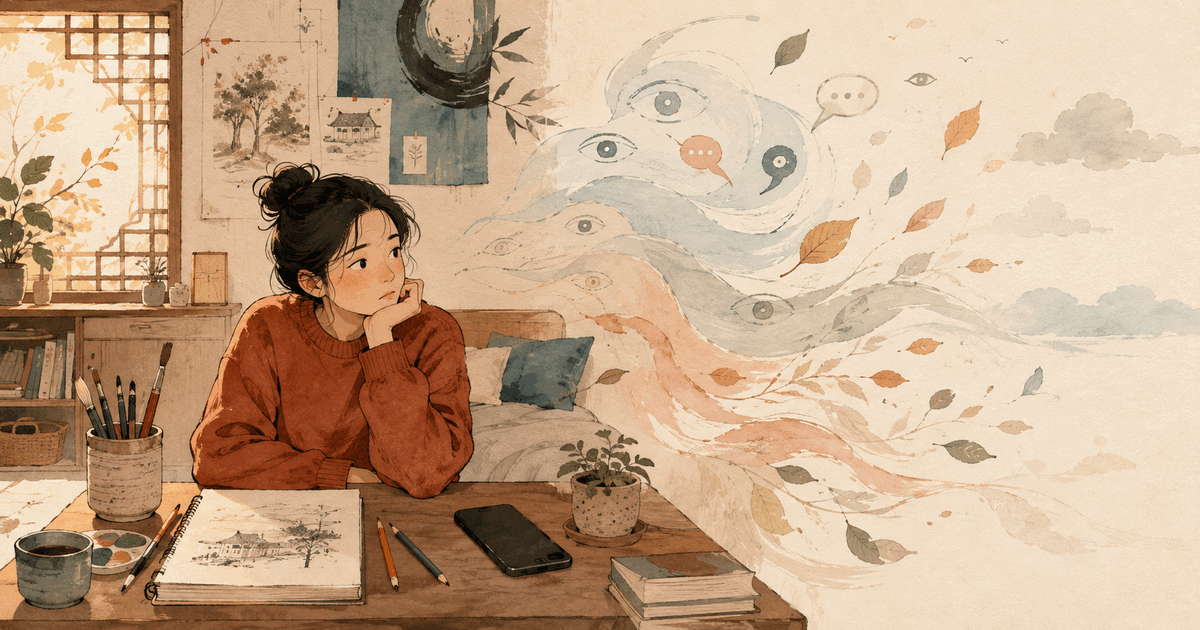
- That rush of regret after posting does not automatically mean the post was wrong. Often, it is the shock of becoming visible: something private crossed into public space, and your mind starts inventing an audience. Before you delete, separate real consequences from imagined scrutiny—and decide what kind of sharing actually feels like you.
This article was prepared with AI-assisted research and drafting under Sixseer editorial and methodology standards.
The post is public; your nervous system is catching up
Posting a drawing, joke, selfie, opinion, or tiny piece of your day creates a quick before-and-after. One second you control it. The next, other people can interpret it. That loss of control can feel like evidence that you made a mistake, even when nothing bad has happened.
Social psychologists call one part of this the spotlight effect: people tend to overestimate how much others notice their appearance and actions. Newer research on social sharing also connects fear of negative evaluation with avoidance and exhaustion. In plain language, the shame spiral may say more about anticipated judgment than about the quality of your post.
That distinction matters. “I feel exposed” is a real feeling. It is not the same statement as “I shared something unsafe.” If you want a reflective pause before choosing, ask Sixseer about the tension between expression and visibility—after you first check the practical facts.

Before you delete, use the True–Safe–Free test
Do not make the decision at the exact peak of the cringe wave. Put the phone down for ten minutes, then test the post through three doors.
- True: Does this express something you genuinely enjoy, believe, made, or noticed? It does not need to represent your entire identity. A post can be one honest fragment.
- Safe: Does it reveal private information, expose someone else, create a work problem, or invite contact you do not want? These are concrete reasons to edit, narrow the audience, or remove it.
- Free: Can you let the post exist without forcing it to earn approval? If you are refreshing reactions to decide whether you were “allowed” to share, step away before judging the content.
If the post is true and safe but not yet free, the problem may not be the post. It may be the habit of turning other people’s response into a verdict on your right to be visible. You can keep it up and mute notifications, share with a smaller circle next time, or keep some creations private. None of those choices makes you less authentic.
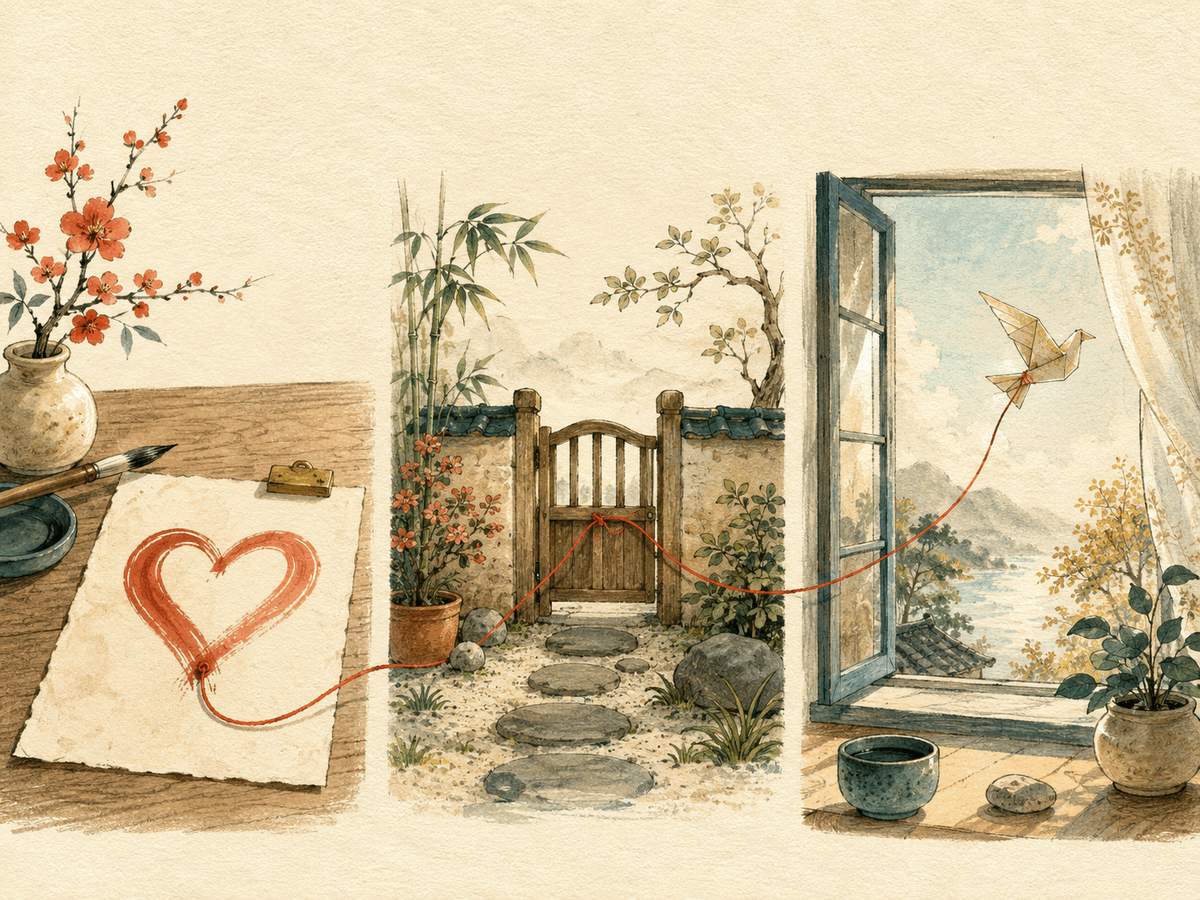
A five-minute mini-scenario
Imagine you post a sketch you love. Four minutes later, nobody has reacted. You picture old classmates finding it childish and reach for delete. The True–Safe–Free test changes the moment: the sketch is sincere, it reveals nothing private, but you are using early silence as a score. You leave it up, close the app, and return after dinner. The decision becomes yours again.
How an I Ching reading can clarify the real choice
The I Ching is useful here when you ask about the active pattern, not whether strangers will approve of you. The Stanford Encyclopedia of Philosophy’s overview of the Yijing describes divination as an opportunity to review the past, examine the present, and consider the next step. That is a better frame than asking for a popularity forecast.
A strong reading begins with one focused question. Cast consistently with three coins six times, recording each line from the bottom upward. In Liu Yao, the resulting six-line pattern is interpreted in context, including relationships between the question, the lines, and the situation. Sixseer then provides AI-assisted plain-language guidance. The quality of the reflection depends on correct line construction, contextual interpretation, and comparison with what is actually happening—not on treating symbolism as a guarantee.

Try This Question in Sixseer
Copy-ready question: “What should I understand about the tension between self-expression and fear of being seen, and does this moment support sharing openly, narrowing the audience, or keeping this private?”
This question examines whether the pressure comes from genuine risk, a mismatch with your values, or temporary visibility shock. After the reading, choose one observable action: leave the post untouched for 24 hours, adjust the audience, or remove it for one specific reason you can name.
You do not have to disappear to feel safe
Deleting a post can be wise. Keeping it can be wise. The important part is knowing whether you are protecting something real or obeying an imagined crowd. Give the first wave time to pass, check what is true and safe, then choose the size of audience that lets you stay free.
When you want clarity without handing strangers the final vote, use a focused Sixseer reading to choose your next sharing boundary.
Frequently asked questions
Why do I regret posting on social media even when the post is harmless?
Visibility can feel like loss of control. Your mind may predict judgment before there is evidence of it, especially when the post reveals taste, creativity, or emotion.
Should I delete a post if I feel embarrassed?
Pause first. Delete or edit for a concrete privacy, consent, safety, or values reason—not only because discomfort arrived.
How long should I wait before deleting?
There is no universal rule, but ten minutes can interrupt the immediate reaction. For a harmless post, a 24-hour no-check period can reveal whether the concern persists after the emotional spike.
Can I use the I Ching to decide what to post?
Use it to examine your motive, timing, audience, and boundaries. Compare the reading with real circumstances; do not use it as a guarantee of how people will respond.