Nervous About Your First Date? You Don’t Need to Perform
A first date is not a performance test. Use Notice–Ask–Share to move from self-monitoring into real curiosity, then judge the connection by what actually happens.

November 3, 2026 · By Sixseer Editorial
AI assisted research organization and drafting; Sixseer Editorial shaped and checked the final article.
If your first date feels like an exam because you have little or no dating experience, the most useful shift is to stop trying to look experienced. Your job is not to perform chemistry. It is to notice whether conversation becomes easier, curiosity moves both ways, and you can be a little more yourself as the hour unfolds. Nerves are uncertainty, not proof the date will go badly.
Why first-date nerves feel bigger before you arrive
Before the date, your imagination has no real evidence yet, so it can manufacture a full movie: the silence, the wrong sentence, the look on their face when they decide you are awkward. Research on conversations with strangers suggests that this forecast is often harsher than the experience itself. In a 2021 mini-meta-analysis across seven studies, people generally expected conversations with strangers to go worse than they later reported. The studies were not first-date trials, so treat the finding as directional rather than a dating-specific rule.
There is a second trap after the conversation begins. Liking-gap research found that people often underestimate how much a new conversation partner liked them and enjoyed their company. So the tiny pause you replay as “I ruined it” may not be the moment your date remembers at all.
Use Notice–Ask–Share instead of a script
Skip the twenty-question script. A smaller loop keeps attention on the person in front of you instead of an invisible scorecard.
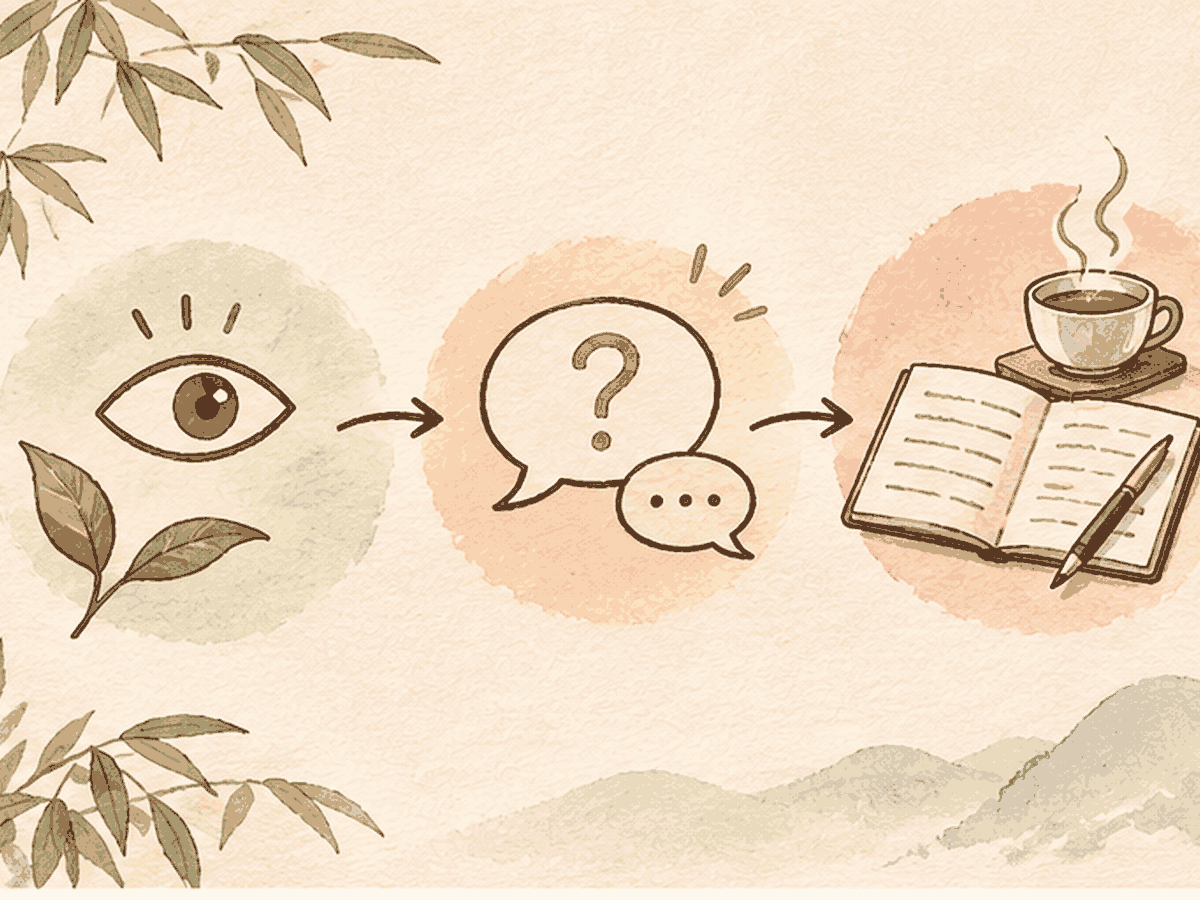
1. Notice
Pick up one real detail. Maybe they light up when they mention cooking for friends, relax when the conversation turns to music, or keep asking about your work instead of waiting to speak. Also notice your own side of the table: are you gradually less guarded, or are you spending the whole date shrinking and monitoring yourself?
2. Ask
Follow the detail instead of jumping to the next prepared topic. “What made you get into that?” usually creates more connection than “What are your hobbies?” A 2017 study on question-asking found that people who asked more questions, especially follow-up questions, tended to be better liked; a 2025 correction reported minor errors but said the paper’s conclusions remained valid. The point is responsive curiosity, not interrogation.
3. Share
Give some of yourself back. If they tell you why they love tiny live-music venues, share the strange little concert you still think about. If they talk about learning to cook, admit the dish you keep trying to rescue. Mutuality matters; an interview can sound polished and still reveal very little.
A four-second pause is not a failed date
Imagine you are twelve minutes into coffee. You stumble over a sentence. Then there is a pause long enough for your brain to announce, This is it. I have been exposed as a person who does not know how to date. That is the moment to stop grading yourself.
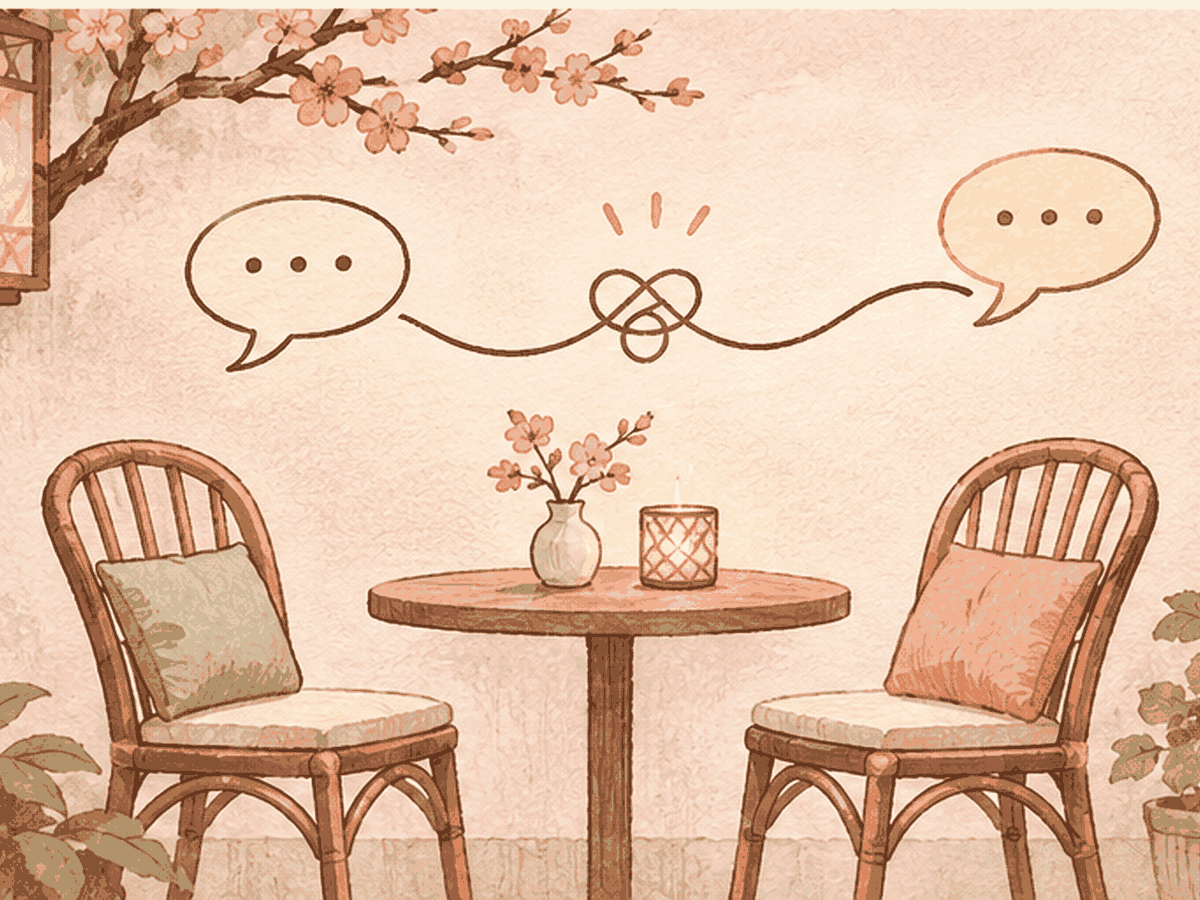
Notice what they just said. Ask one honest follow-up. Add one related piece of your own life. The conversation has a thread again. If it keeps feeling kind but flat across more than one meeting, that becomes useful information too; Sixseer’s guide to whether conversational chemistry grows or stays flat is the better next question then.
Let the I Ching examine the pattern, not your worth
The I Ching is built around change and decision-making under uncertainty. The Stanford Encyclopedia of Philosophy describes the Yijing as both a divination text and a framework for reflection on how to act when outcomes cannot be fully known. That makes it more useful here when the question is about the unfolding interaction, not a verdict on whether you are “dateable.”
Sixseer is an online I Ching and Six Lines divination tool that turns one clear question into a coin-cast six-line reading with AI-assisted plain-language guidance. If you are new to the method, its beginner guide to I Ching and Liu Yao explains how the two layers fit together. Practical accuracy depends on keeping the question focused, casting consistently, constructing the six lines correctly, interpreting them in context, and comparing the reading with what actually happens.
Try This Question in Sixseer
Anxious version: “Will they like me?”
Stronger copy-ready question: “What should I pay attention to on this first date to understand whether the connection feels mutual, grounded, and worth exploring further?”
This wording gives the reading something observable to examine: movement, timing, reciprocity, and the next proportionate step. Cast this focused first-date question free in Sixseer, then bring the reading back to the real date instead of treating it as a substitute for the date.
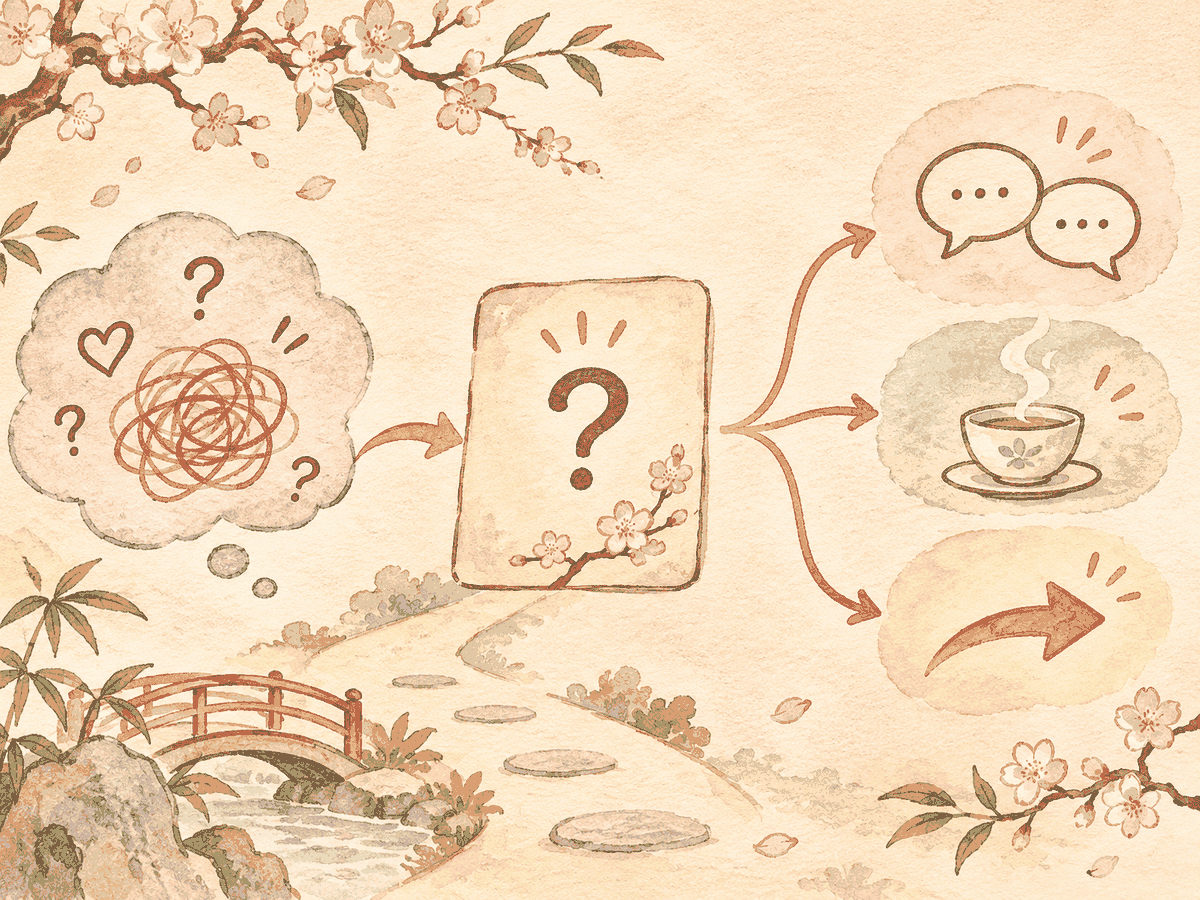
What to notice after the date
Do not ask only, “Did they like me?” Ask three quieter questions. Was curiosity mutual? You should not have to carry every thread. Did you become more yourself? A promising date usually gives you more room as it goes, not less. Is there movement? If both of you want another meeting, the next step does not need a detective board.
If the in-person connection felt warm but the messages afterward become confusing, move to the specific problem instead of rereading the whole date. The guide to weighing warm in-person signals against quiet texting is designed for that next stage.
First-date anxiety: quick answers
What if I am visibly awkward?
Awkward is not the same as incompatible. A small admission like “I’m a little nervous” can be more natural than performing total confidence. Then return your attention to the conversation. The useful question is whether the interaction becomes easier once both people have a little time.
What should I talk about if my mind goes blank?
Use the last concrete thing they said. Ask what got them into it, what surprised them, what they would do differently, or what they are looking forward to. Then share your own related detail. You need one live thread, not ten emergency topics.
Can Sixseer tell me whether they will like me?
Do not use a reading as mind-reading. A stronger use is to ask what pattern to notice, where the timing supports openness or patience, and what next step fits the evidence you actually receive. The reading organizes uncertainty; the other person reveals themselves through choices.
You do not need first-date expertise to have a real first date
The goal is to leave knowing a little more: whether curiosity was mutual, whether you felt more open or compressed, and whether another hour together sounds genuinely interesting. If nerves are turning those questions into noise, bring one focused first-date question to Sixseer and look for a calmer, evidence-sized next step.