You Keep Cancelling Plans With This Friend. What Are You Avoiding?
Repeated cancellations can mean low capacity, the wrong plan format, or a changing friendship. Test one smaller honest alternative before deciding.

October 26, 2026 · By Sixseer Editorial
If you keep cancelling plans with one friend, do not force yourself to show up—or decide the friendship is over—from guilt alone. Repeated cancellations usually mean something in the plan is not working: your capacity, the way you spend time together, or the connection itself. Your next job is to test which one, then answer honestly.
This article was prepared with AI-assisted research and drafting under Sixseer editorial and methodology standards.
The cancellation is not the whole message
One cancelled coffee is a calendar event. A pattern is information. A 2023 mixed-methods study of 1,192 people found that most participants did not think a cancellation alone would damage a friendship, but they preferred advance notice and honesty; very late notice and a fake excuse landed worse. The study measured reported preferences, not the fate of every friendship, so use it as a communication clue rather than a verdict. See the original cancellation study.
The more revealing question is why your “yes” keeps turning into dread. You may genuinely have no energy. You may like the person but hate the six-hour group dinner you keep agreeing to. Or you may be avoiding the harder truth that the friendship now feels obligatory.
Which kind of “no” are you saying?
Capacity no
You want contact, but not at this intensity or in this season. Rest first, then offer a date you can protect.
Format no
You want the friend, not the plan. Swap the late night, crowd, cost, or long journey for something smaller.
Connection no
Even the easy version creates resistance. You may be maintaining history, not choosing present closeness.
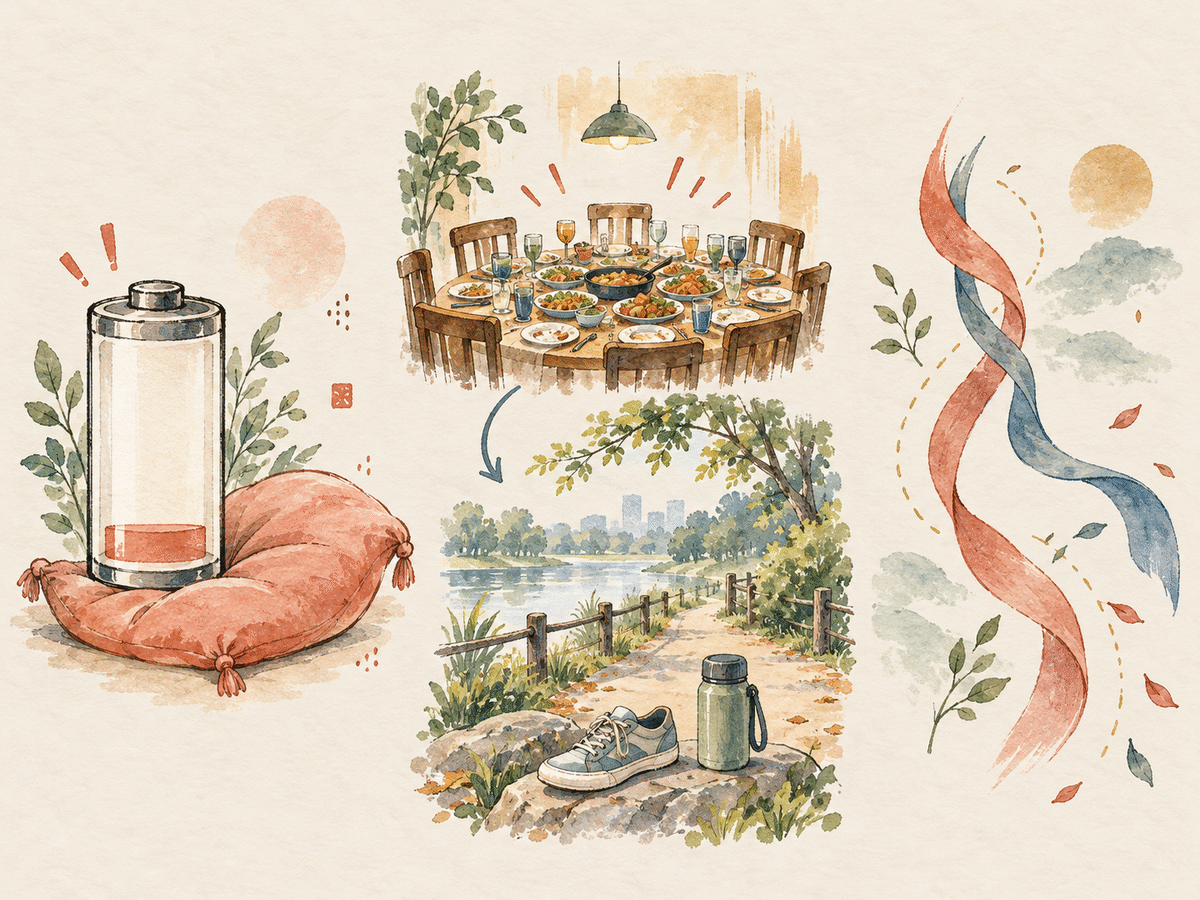
Time together matters, but its quality and context matter too. Jeffrey Hall’s friendship research linked growing closeness with accumulated time and shared leisure; his estimates are group patterns, not a stopwatch for any pair. The practical point is simpler: cancelling every opportunity removes the experiences through which a friendship can change. Read the University of Kansas research summary.
Use the Honest Alternative Test
Before accepting another plan you expect to escape, offer one smaller alternative you could realistically want. Make it specific: a 45-minute walk instead of brunch, tea near your home instead of a cross-city dinner, or a voice note instead of a crowded weekend.
Then notice your response. If your energy returns when the plan shrinks, the friendship may be fine; the container was wrong. If the smaller plan still feels heavy, ask whether you need a temporary pause or a more permanent change. If you feel curious and relieved, follow through. That is evidence too.
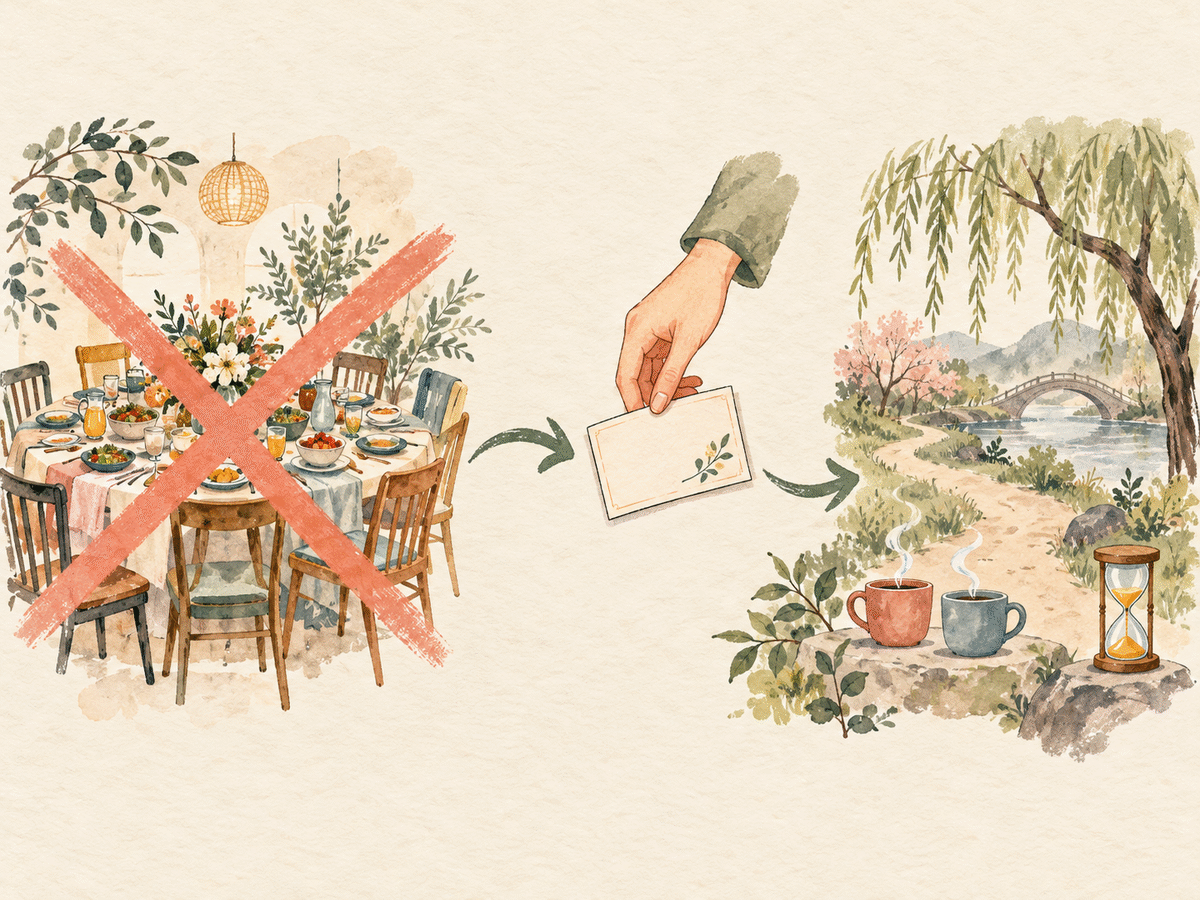
Imagine you have cancelled three Saturday brunches with the same friend. Instead of inventing another emergency, you say: “Long weekend plans have been too much for me lately. Would you like a short walk near my place next Wednesday?” You feel lighter writing it. That suggests a format problem. If even that offer feels false, stop making the friend carry your uncertainty through repeated yes-then-no cycles.
Bring the pattern—not a verdict—to the I Ching
Sixseer is a free online I Ching and Liu Yao reflection tool: you ask one focused question, cast six lines, and receive AI-assisted plain-language guidance about patterns, relationships, movement, timing, risks, and direction. Its ask–cast–reflect method supports a grounded next step; it does not decide who deserves your friendship.
The Yijing has long been used to reflect under change and limited knowledge. The Stanford Encyclopedia’s account of the Changes describes divination as a quiet occasion to review the past, examine the present, and plan the next move. In this situation, that means asking about your position and timing—not trying to spy on your friend’s hidden thoughts.
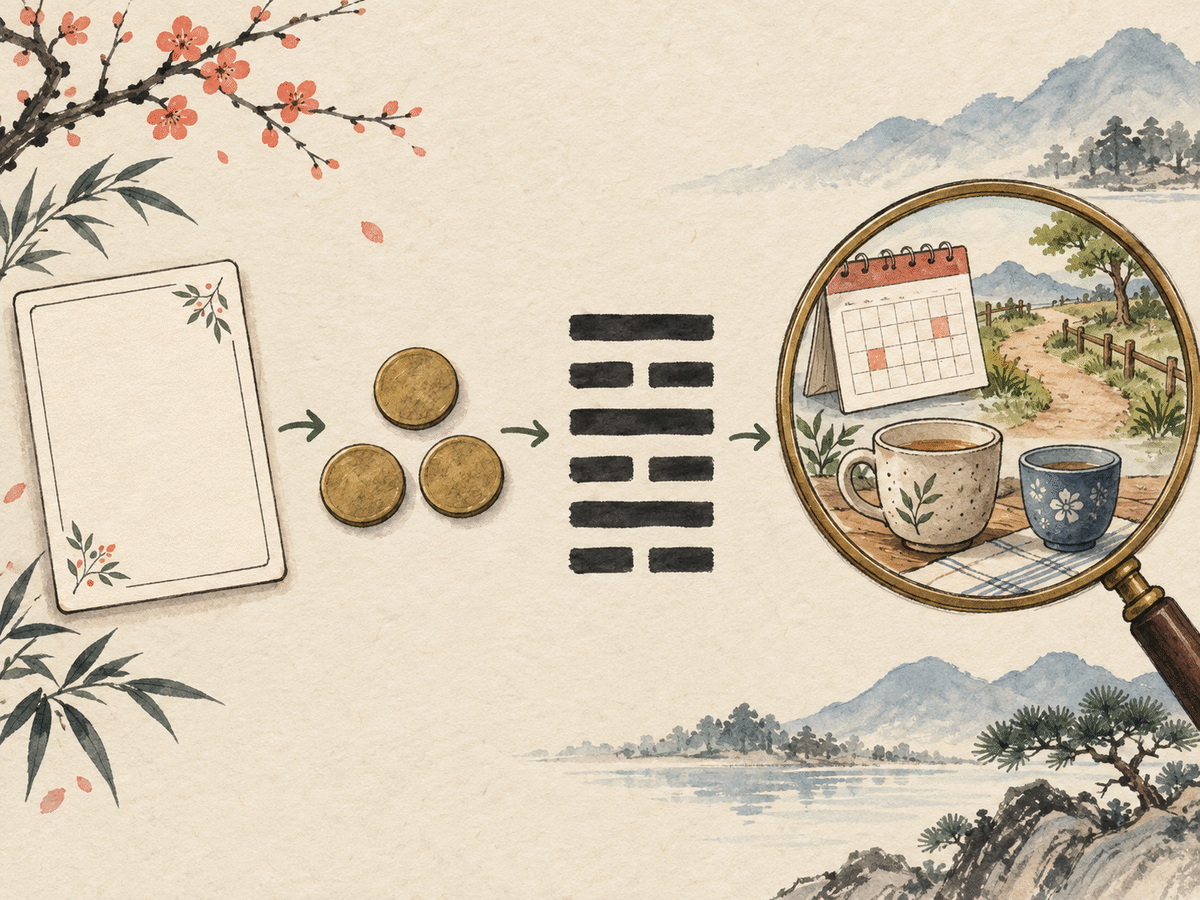
For a consistent coin cast, hold the same question, toss three coins six times, and build the lines from the bottom upward. Sixseer interprets the resulting six-line structure and any changing lines in context. If those terms are new, start with the simple I Ching and Liu Yao guide. Practical accuracy still depends on focused wording, consistent casting, correct construction, contextual interpretation, and comparison with what actually happens.
Try This Question in Sixseer
What should I understand about why I keep cancelling plans with this friend, and does the present timing support rest, a simpler way of meeting, or more honest distance?
This reading examines what is blocked, whether the connection still has movement, and which next step can be tested in real life.
Cast this focused friendship question
What to say before you cancel again
“I’ve noticed I keep agreeing and then backing out, and that is not fair to you. I do want to be honest: I can manage a short walk next week, but not another long evening. Would that feel worth doing?”
If you genuinely want closeness, protect the alternative you offered. If you want a lighter connection, let the rhythm become lighter without manufacturing emergencies. The guide to building closeness through one return signal can help you notice whether desire and effort move both ways. If distance brings sustained relief, the article on what relief after a friendship means helps separate useful information from guilt.
Questions people ask
Is “I don’t feel like it” a valid reason to cancel?
It can be real information, but repeating it after repeated promises shifts the cost to your friend. Decline earlier, tell the truth without cruelty, or offer a smaller plan you can keep.
What if I cancel only with this person?
That contrast matters. Test a different format once. If the resistance follows the person rather than the plan, stop hiding the change behind scheduling problems.
Can an I Ching reading tell me to end the friendship?
A reading can clarify the unfolding pattern, blocked momentum, and timing for conversation, patience, repair, or withdrawal. It cannot replace the observable evidence of how you both act.
You do not owe anyone endless access, and you do owe them cleaner information than repeated false starts. Choose one honest alternative, observe your response, then let your next yes—or no—be real.
Use Sixseer to choose your cleanest next step
Sources
- Caron et al., “How to Cancel Plans With Friends”, Collabra: Psychology (2023).
- University of Kansas summary of Hall’s friendship-time study (2018).
- Stanford Encyclopedia of Philosophy: Chinese Philosophy of Change (accessed October 26, 2026).
- Sixseer Methodology (accessed October 26, 2026).