Hexagram 2 Meaning: Kun and the Strength of Support
Discover how Kun’s receptive strength can help you support growth while keeping healthy boundaries.

November 18, 2026 · By Sixseer Editorial. Research and drafting assisted by AI.
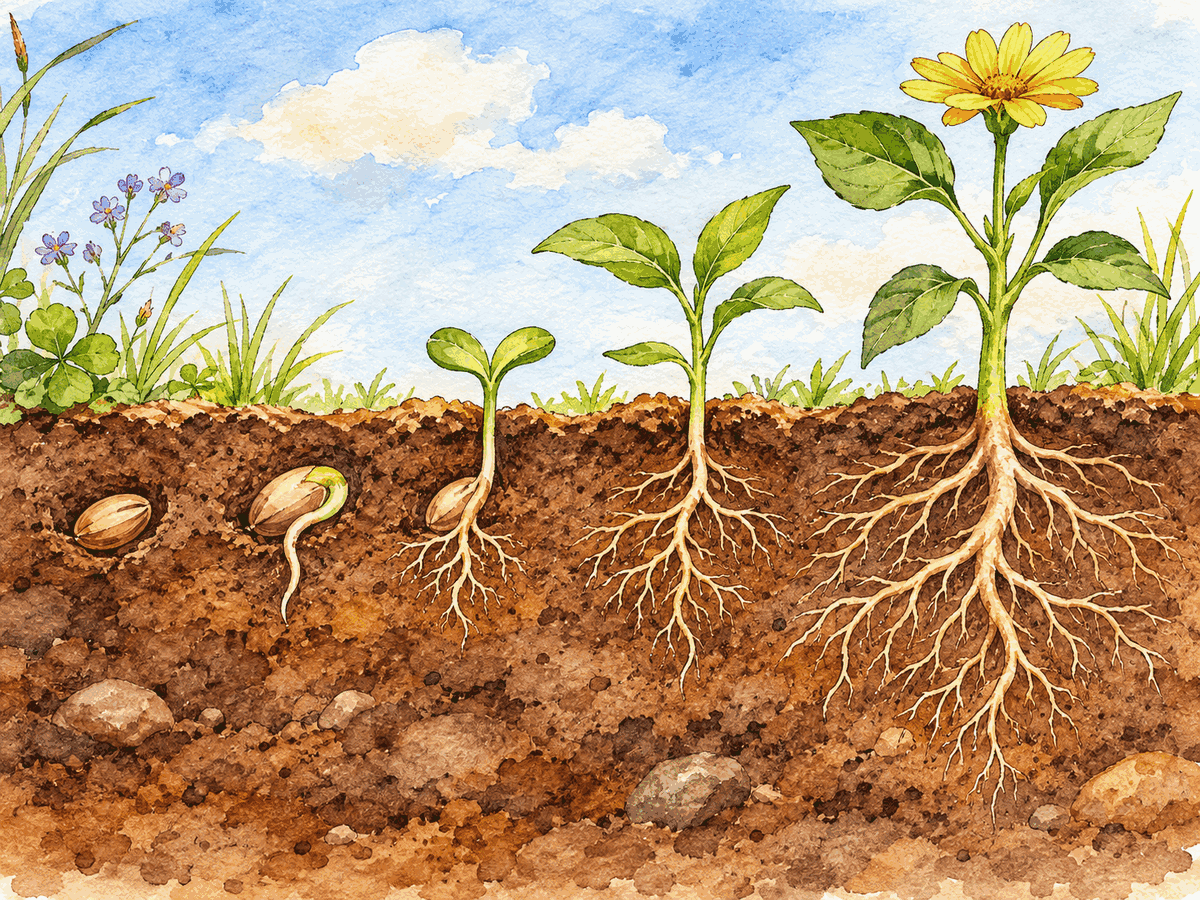
Hexagram 2, Kun (坤), describes a kind of strength that makes room for things to grow. Think of a garden bed: the soil holds a seed, supplies a place for roots, and supports the plant as it develops. Kun invites patience, cooperation, and steady care, while keeping a clear sense of direction.
What does Hexagram 2 mean?
Kun is the second figure in the I Ching, or Book of Changes. Its English names include “The Receptive” and “Earth.” In traditional interpretation, it points to the capacity to receive, support, and carry things through. Where the first hexagram, Qian, is associated with active creative strength, Kun emphasizes the ground that can receive and sustain growth.
Being receptive is not the same as having no opinion. Imagine a friend telling you about a difficult day. Listening before offering an answer can be a deliberate, skillful choice. You are making space to understand what is needed, not surrendering your judgment.
The Stanford Encyclopedia of Philosophy’s hexagram guide lists Kun as the second hexagram and describes how its lines are read from the bottom upward.
Why is Kun called Earth over Earth?
A hexagram is a figure made of six lines. Each line is either solid or broken. Those six lines are also grouped into two sets of three, called trigrams. Kun consists of six broken lines: the Earth trigram appears in both the lower and upper positions.
Its traditional Great Image compares the broad capacity of earth with the qualities a person can develop when carrying responsibility for others. The classical text and image of Kun give the old wording; the garden comparison in this article is a modern way to make the idea easier to picture.
A garden bed does not decide what every seed should become. It provides a foundation, receives water, and holds roots. In the same way, a reliable person can help a plan take shape by creating conditions for others to contribute.
How can support be a form of strength?

Imagine that your friends are arranging a neighborhood meal. One person has an idea for the menu, another knows a good place, but nobody has checked who can bring plates or when the room is available.
You listen, write down the details, and ask who can take each job. You are not standing in the spotlight, yet your steady work helps the whole gathering happen. Kun draws attention to that kind of useful contribution: noticing what is needed and carrying it through.
It also invites you to check the direction before committing. If no one can explain what you are being asked to do, ask for a clear task. A supportive role works better when the purpose, time involved, and responsibilities are understood by everyone.
Where might Kun appear in daily life?
At work, Kun can suggest paying attention to the foundations: a handover, a schedule, a shared checklist, or someone who needs information before they can finish. Instead of pushing a new idea through immediately, you might listen to the people who will use it and help make the existing plan workable.
In a friendship, receptive strength can mean asking “Would you like me to listen, or help you think this through?” That small question makes room for the other person while keeping your help practical. You can care about someone without guessing what they need.
For a personal goal, Kun may invite you to prepare a welcoming environment. If you want to learn a language, putting a book by your chair and making time for short practice can support growth more effectively than demanding an instant result.
Does being receptive mean always saying yes?

No. The image of earth carrying things does not require you to carry everything. You can choose what you have room for, ask for help, and set a boundary. Support is more sustainable when your own needs and limits are included.
For example, “I can help set up on Saturday, but I cannot stay all evening” is both generous and clear. Kun’s patient steadiness is different from silently accepting every demand. A good question is: what can I support without losing the direction I chose?
How does Kun relate to a Six Lines reading?
A general hexagram meaning is a starting point, not the whole answer to a particular question. A Liu Yao, or Six Lines, reading also examines the actual cast and its context; the pattern of lines and any movement matter. The simple guide to I Ching and Liu Yao explains the difference between the wider tradition and a focused reading.
Try This Question in Sixseer
“What should I understand about supporting this shared project over the next month?”
Ask this question in Sixseer. Sixseer is an online I Ching and Six Lines divination tool that combines a focused question, coin casting, and an AI-assisted explanation. It can help you consider what is supporting the situation, where pressure may be building, and which practical step deserves attention.
A useful reading begins with one clear question and consistent casting. Record the six results correctly from the bottom up, interpret the chart in context, and compare the guidance with what you observe. The coin-casting guide walks through the process.
Is Kun a passive hexagram?
Kun emphasizes receptivity, but listening, preparing, and sustaining a commitment all involve active choices. The emphasis is on the kind of effort the situation needs, not on doing nothing.
Is Kun the same as Hexagram 1?
They are distinct figures. Qian has six solid lines and is associated with Heaven; Kun has six broken lines and is associated with Earth. Read our guide to Qian’s creative strength to compare the two images.
Does Kun predict that a plan will succeed?
The traditional text discusses favorable qualities, but a general description does not determine a particular result. Consider the actual question, cast, and circumstances before drawing a conclusion.
Good soil does not hurry the seed. It provides a place to take root. When you are ready to explore your own situation, begin a Sixseer reading and see what steady support could look like for you.
Sources
Classical text and image of Kun · Stanford Encyclopedia of Philosophy: Yijing appendices